AVOCADO
How to Tell If an Avocado Is Ripe
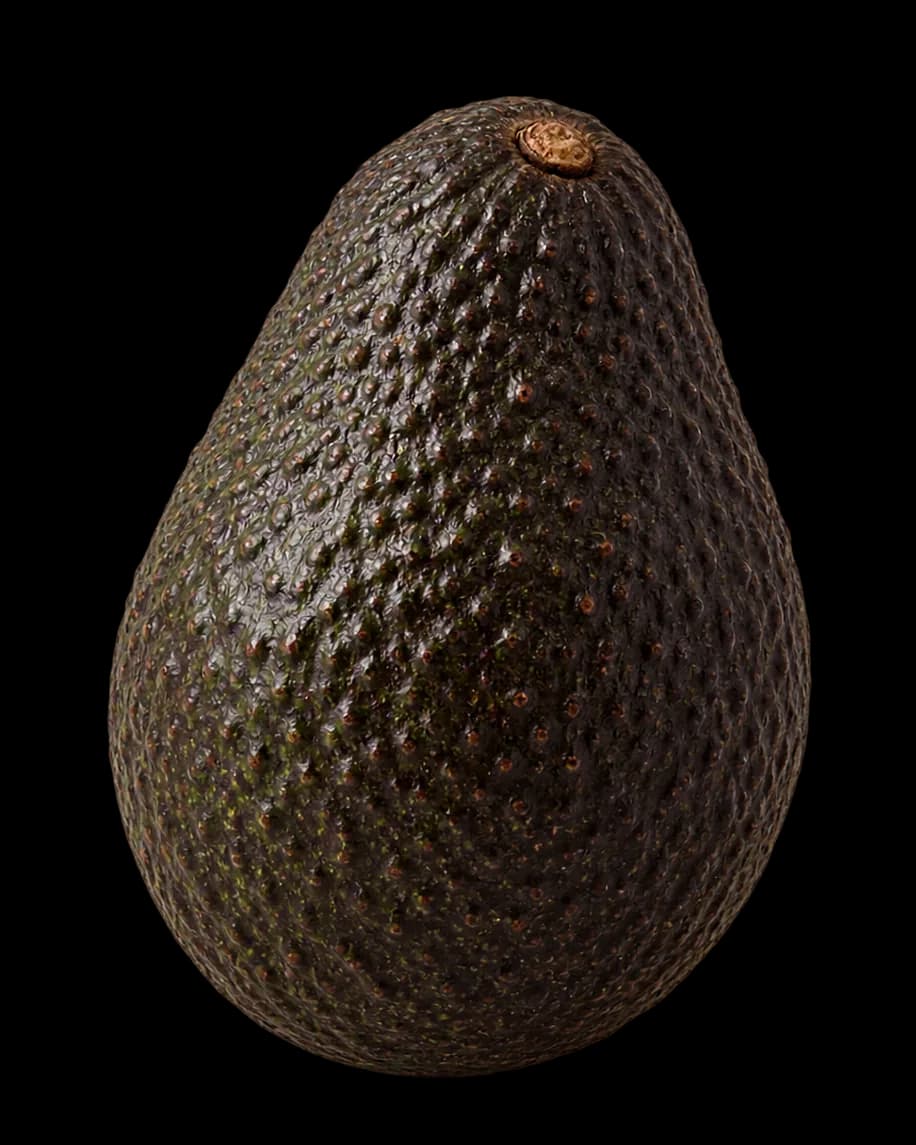
A ripe Hass avocado should feel firm, but give slightly under gentle pressure.
This guide focuses on Hass avocados. Other varieties may behave differently.
QUICK CHECKS
PRESS
Gentle give
PLAN
Match your timing
FEEL
Even firmness
LOOK
Color helps
INSPECT
Avoid structural damage
WHEN WILL YOU EAT IT?
Pick for when you plan to eat it. The ripest avocado isn't always the best choice.
VERY FIRM
3–5 days
Still very firm. Give it more time at room temperature.
SOON
2–3 days
Beginning to soften. A good choice if you're eating it later.
TODAY
Ready to eat
Firm, but yields slightly to gentle palm pressure.
TOO SOFT
Past ideal stage
Very soft fruit should be inspected carefully before using.
Color can help, but it doesn't tell the whole story.
HOW TO PICK
01
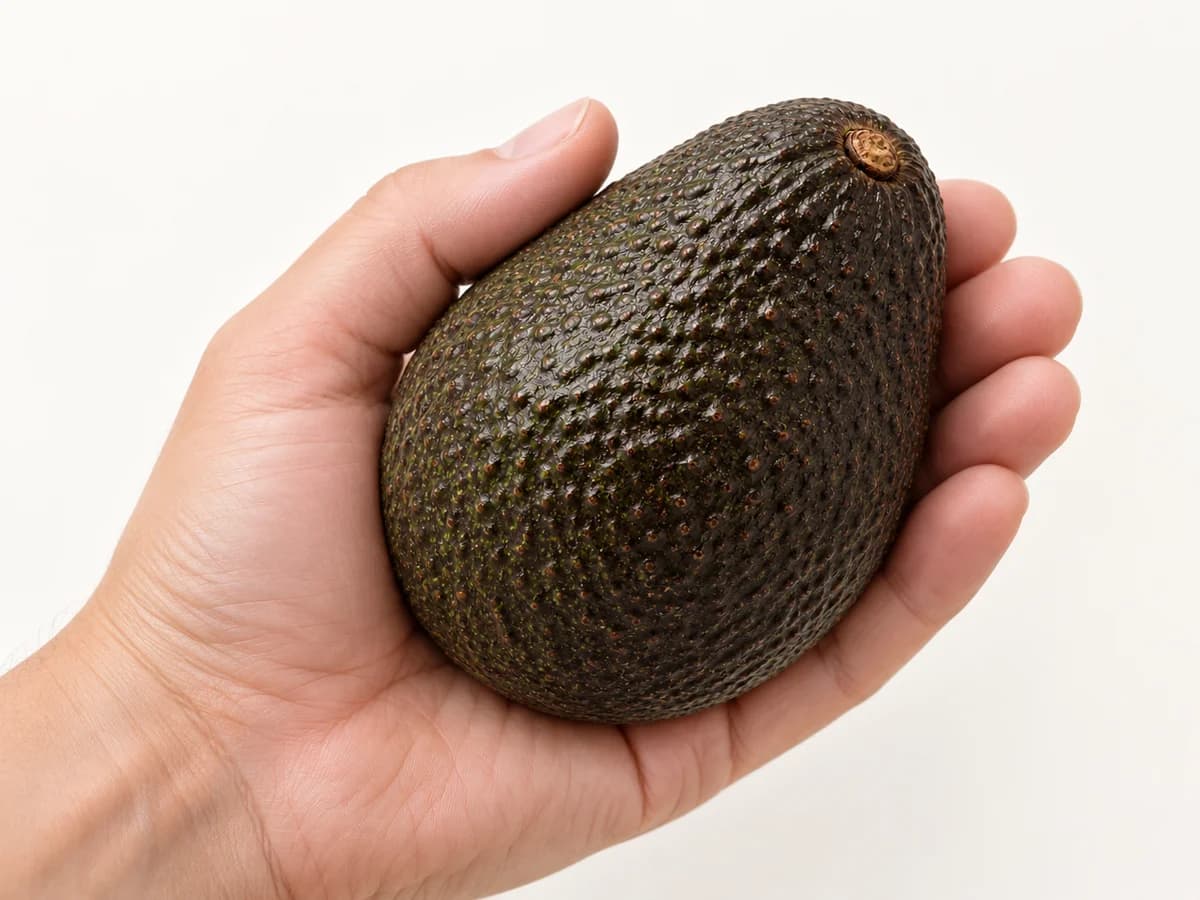
Press gently
Use your palm, not your fingertips.
Hold the avocado in your palm and apply gentle, even pressure. A ripe avocado should still feel firm, but it will yield slightly.
02
Match it to your timing
Choose a firmer avocado when you have a few days, and one with a gentle give when you plan to eat it now.
The ripest avocado isn't always the best choice.
03
Cosmetic mark or real damage?
Pay more attention to deep dents, localized soft pockets, or areas much softer than the rest.
Don't confuse ugly with damaged.
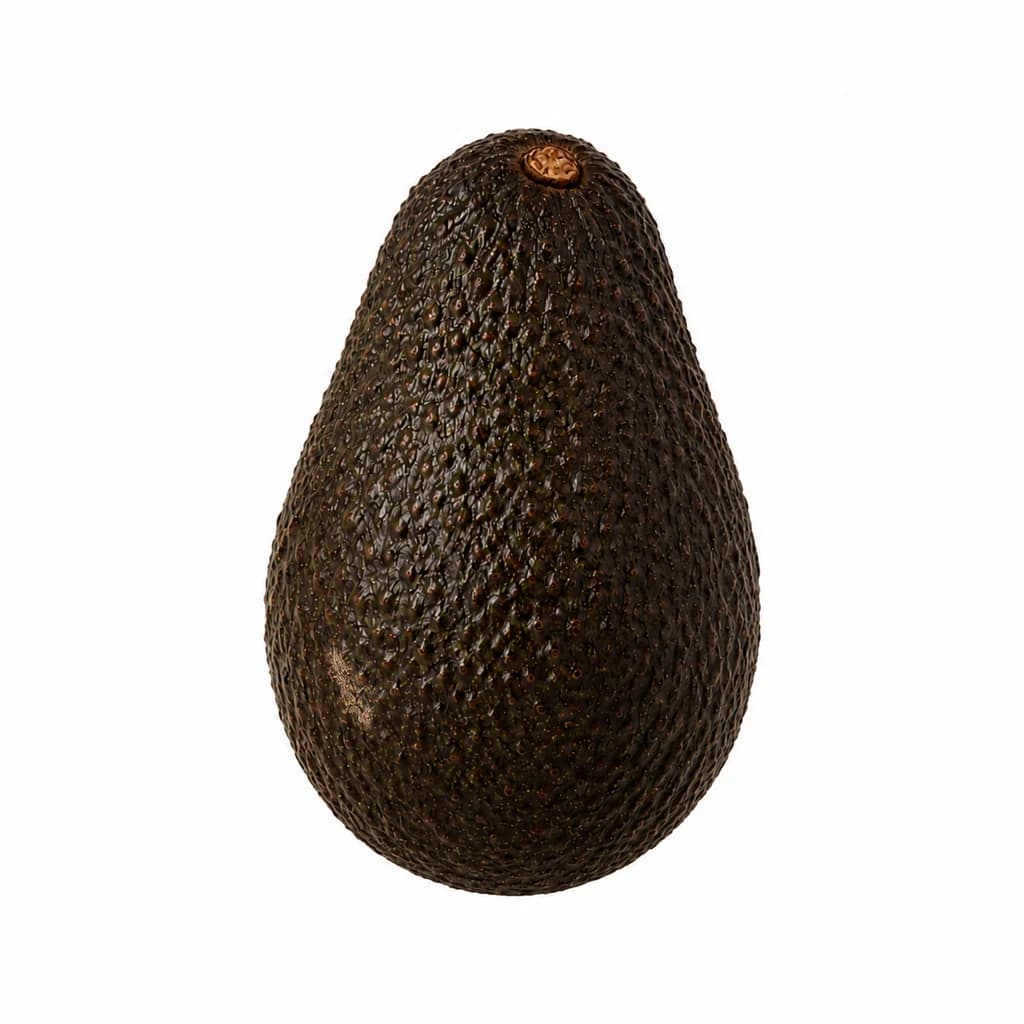
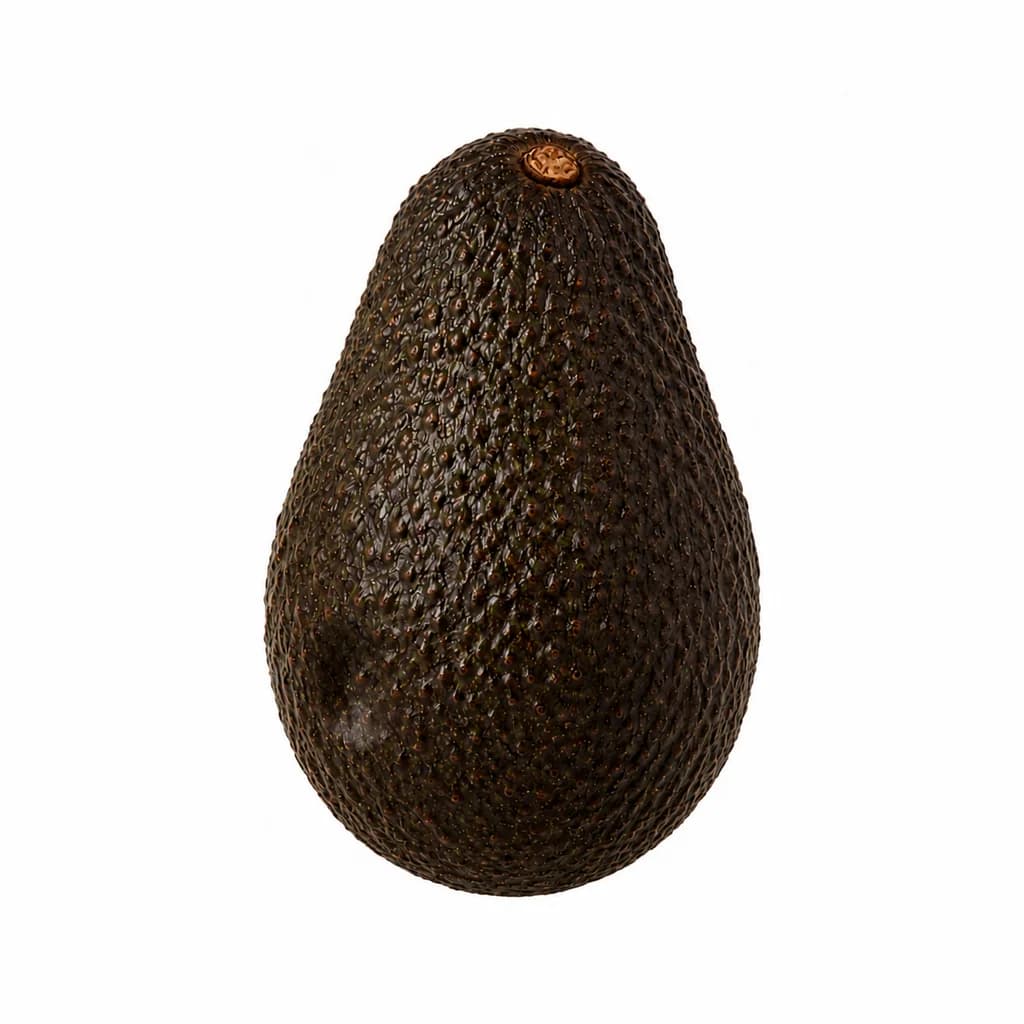
Inspect the surface detail
04
Check the shape
Natural variation is normal; look for collapse or structural damage.
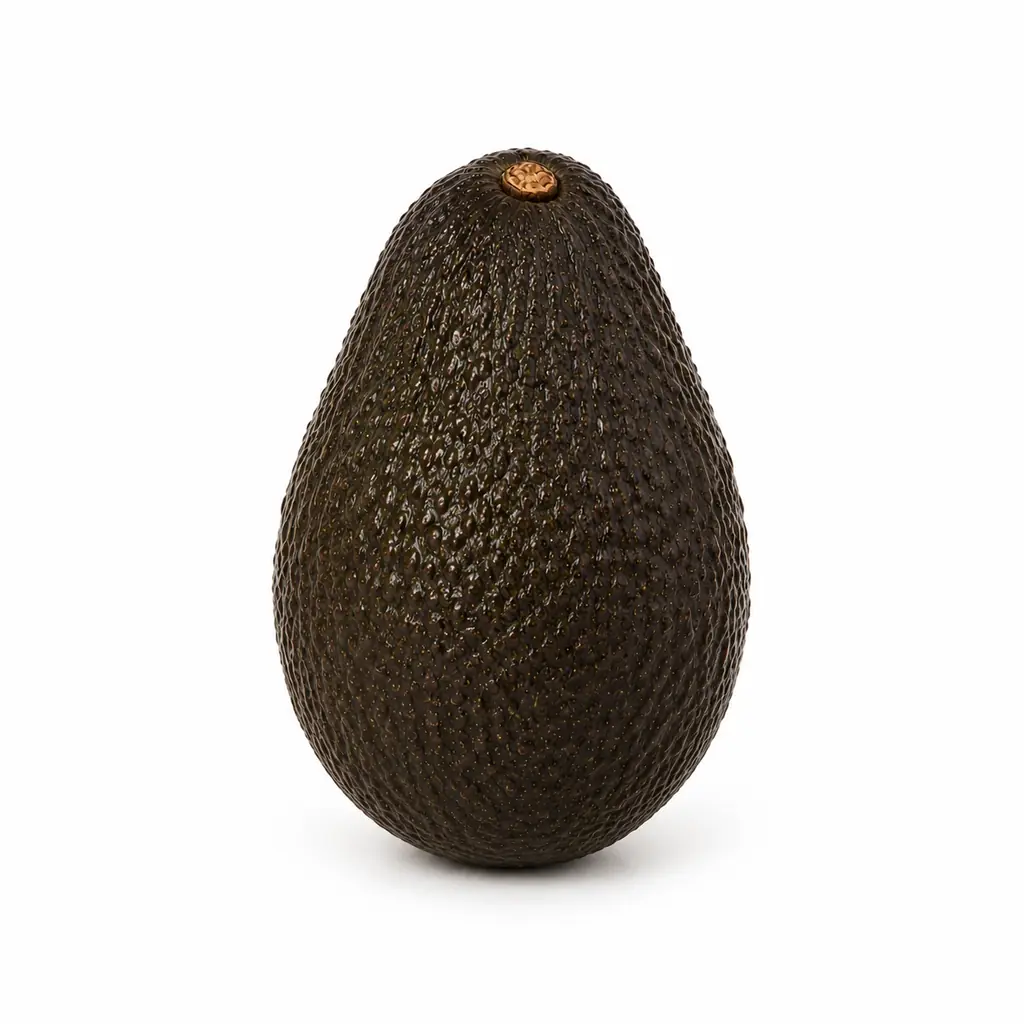
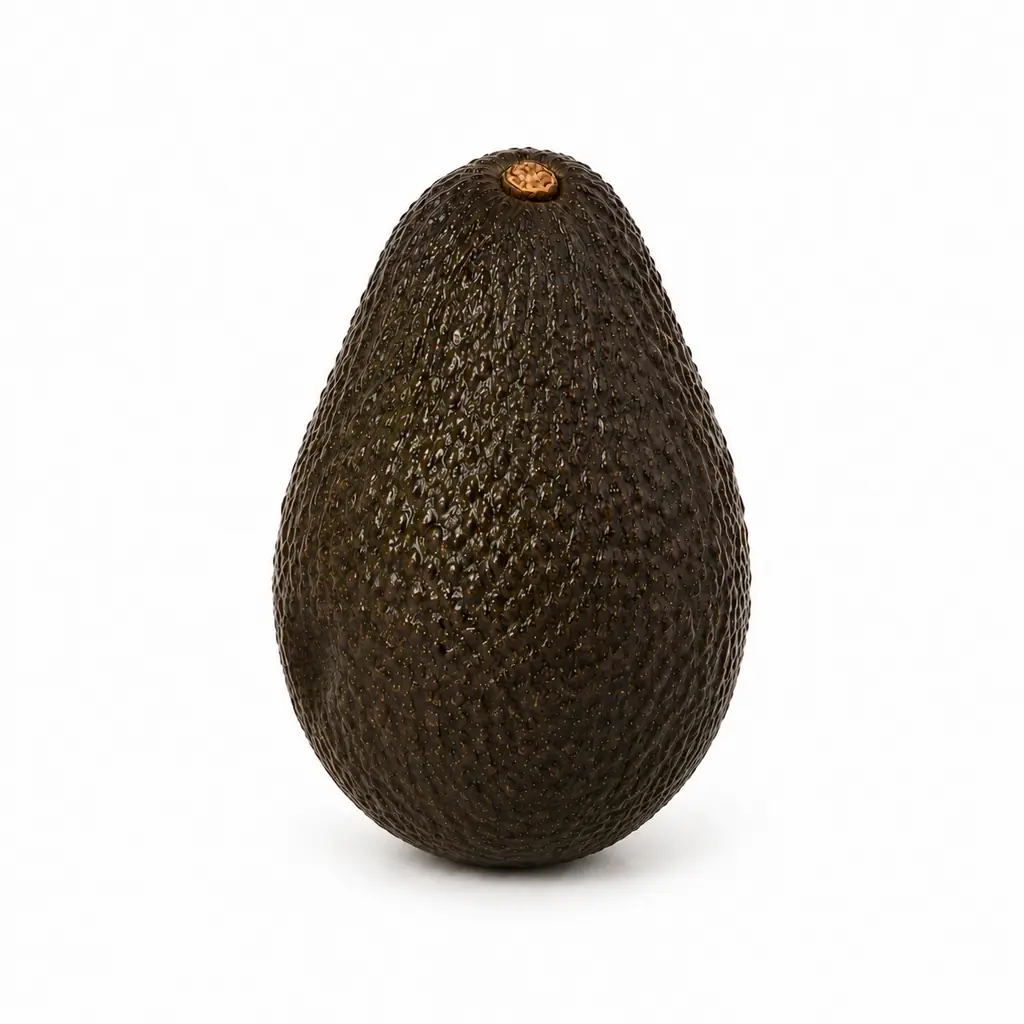
Inspect the outline detail
05
Check around the stem
Look at the skin around the stem for signs of damage or decay.
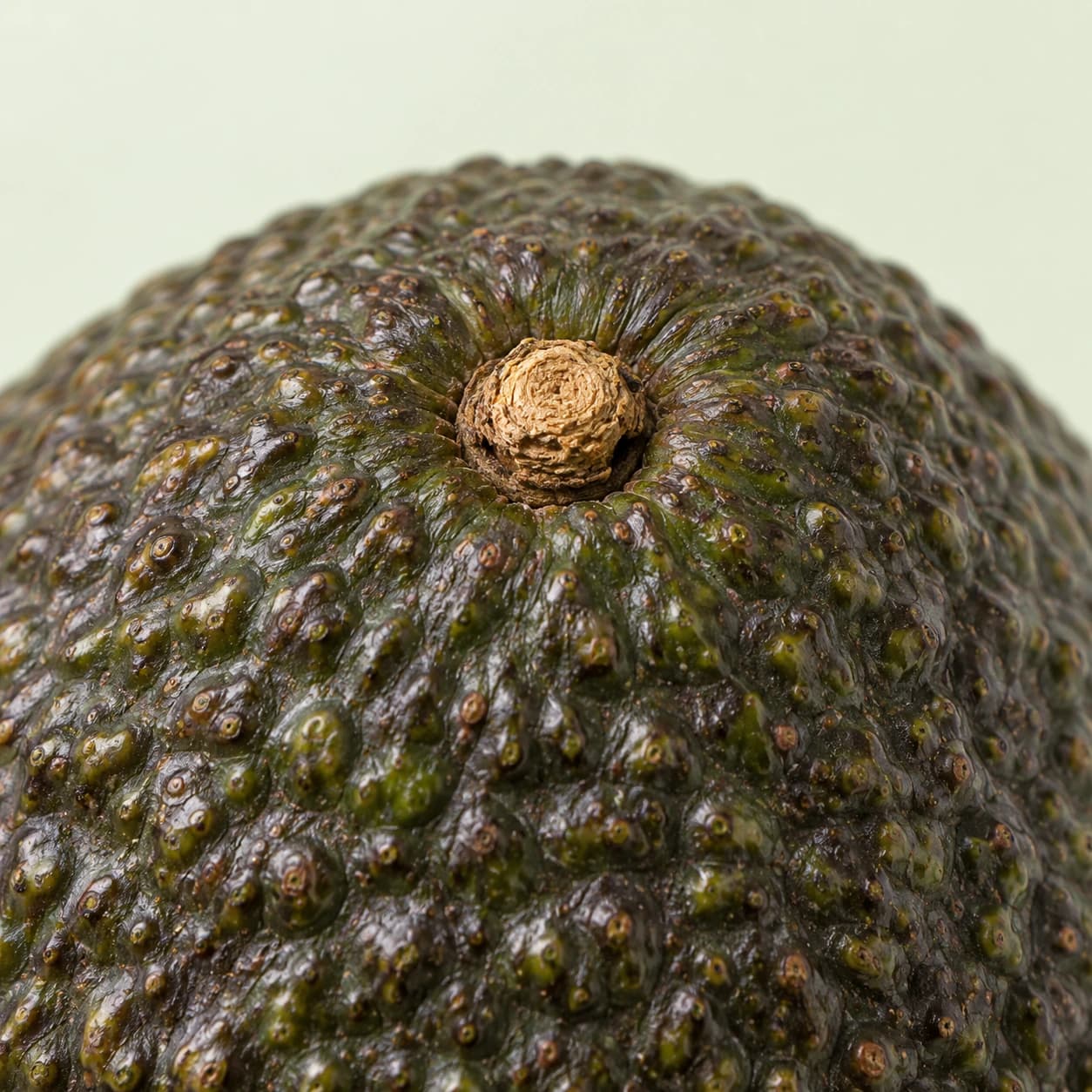
Look for
Intact surrounding skin. No obvious wounds, sunken patches or visible mold.
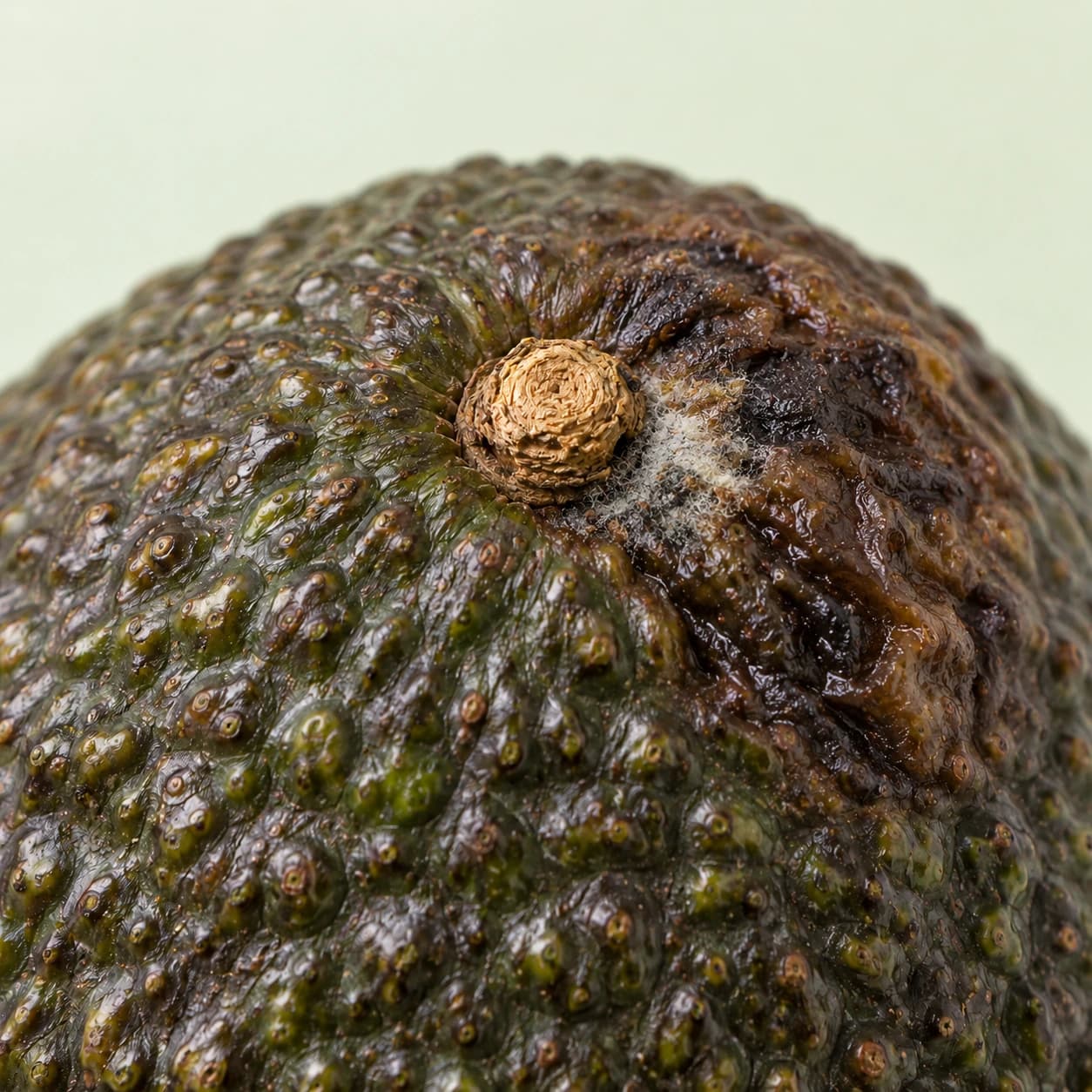
Avoid
Skip fruit with a sunken dark patch, visible mold or mushy skin around the stem.
Leave the stem attached. Its brown color alone is not a spoilage test. Check ripeness with your palm: firm with a little give is ready; very firm needs time.
STEM CONDITION · ILLUSTRATIVE COMPARISON
06
Color helps. It doesn't decide.
Hass avocados often darken, but use firmness as the final check.
DON'T OVERTHINK THESE
MINOR SCUFFS
Usually fine.
NATURAL ASYMMETRY
Completely normal.
THE DARKEST COLOR
Doesn't automatically mean best.
PERFECT-LOOKING SKIN
Doesn't guarantee an undamaged avocado.
TEST YOUR EYE
01 / 05
Which one would you eat tonight?
You're looking for an avocado that's ready to eat now.
CHECK FIRST
Check firmness on both fruits first. More Resistance means firmer. Then choose for your timing.
NUTRITION SNAPSHOT
per 100g
- Calories
- 160 kcal
- Fat
- 14.7 g
- Carbs
- 8.5 g
- Fiber
- 6.7 g
FAQ
Is color enough to tell whether an avocado is ripe?
No. Hass avocados often darken as they ripen, but firmness is the better final check. Choose one that is still firm and yields slightly to gentle palm pressure.
Should I avoid an avocado with a small surface scuff?
Not necessarily. A minor scuff can be cosmetic. Avoid deeper dents, localized soft pockets, or signs of structural collapse instead.
SOURCES
PICK YOUR NEXT FRUIT