GREEN / FUZZY KIWI
How to Tell If a Kiwi Is Ripe
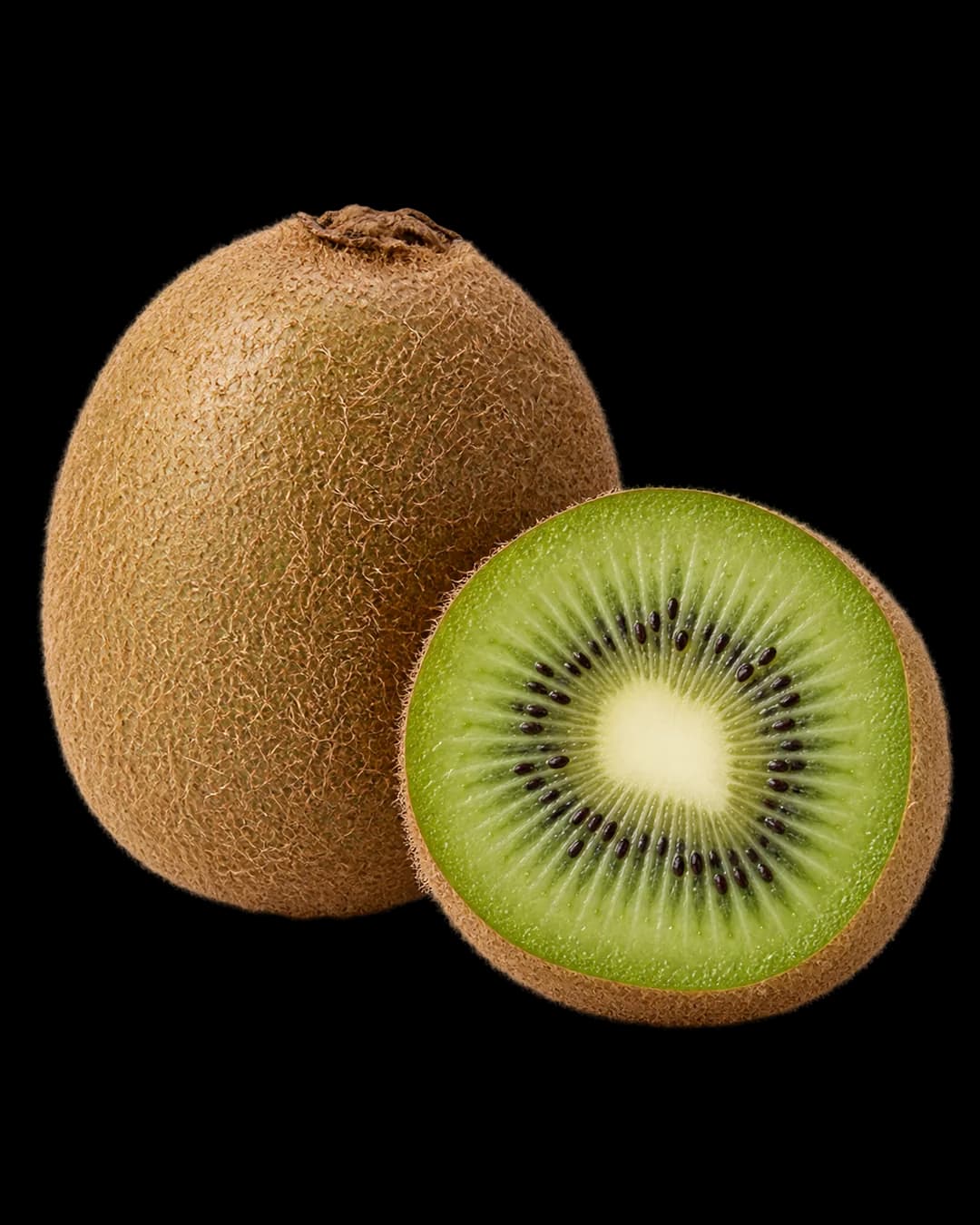
A ripe green kiwi should feel plump and yield slightly to gentle pressure. If it is still very firm, let it ripen longer; if it feels mushy or has localized soft spots, inspect it carefully.成熟的绿色猕猴桃应该饱满,轻轻按压时会有一点让步,但不会软塌。很硬说明还需要继续成熟;如果已经软烂或出现局部异常软点,就要检查是否过熟受损。
This guide focuses on green / fuzzy kiwifruit. Gold varieties can ripen somewhat differently.
QUICK CHECKS
PRESS
Gentle give
PLUMP
Full, not shriveled
CHECK
Avoid soft pockets and bruises
PLAN
Match firmness to when you'll eat it
STORE
Control the ripening speed
GREEN KIWI · READY TO EAT
HOW DOES IT FEEL?
Use light, even palm pressure. The feel tells you more than the brown skin or fuzz.
01
VERY FIRM
NOT YET
Almost no give. Still ripening; useful when you are not eating it immediately.
Room temperature to ripen; refrigerator when you want to slow it down.
02
SLIGHT GIVE
READY TO EAT
Plump, yields gently and still holds its shape. It should not feel mushy.
Enjoy now, or refrigerate to slow further softening.
03
VERY SOFT
EAT SOON / CHECK
Possibly past ideal. Inspect for bruising, local breakdown or excessive shriveling. Soft does not automatically mean rotten.
Prioritize soon only if still in good condition. Check any mushy or unusually soft area.
HOW TO PICK
01
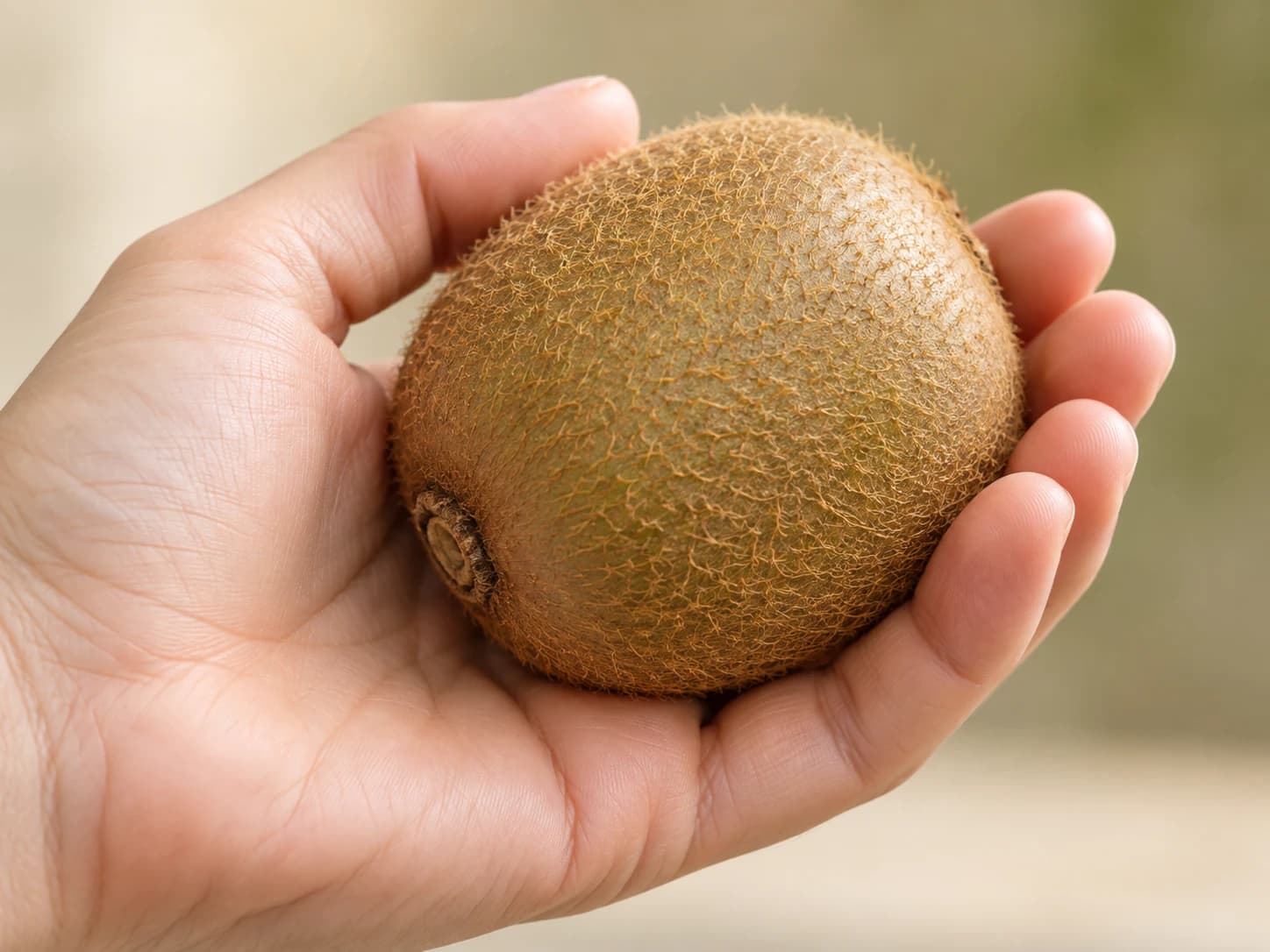
Press gently
Palm → light, even pressure → a little give.
Cradle the kiwi in your palm. Apply light, even pressure with broad contact, then turn it to compare another area. Do not poke with your thumb or squeeze hard.
- Look for
- A little give all around, with structure remaining: ready to eat.
- Watch out for
- Almost no give: wait. Mushiness or one unusually soft spot: check the condition.
02
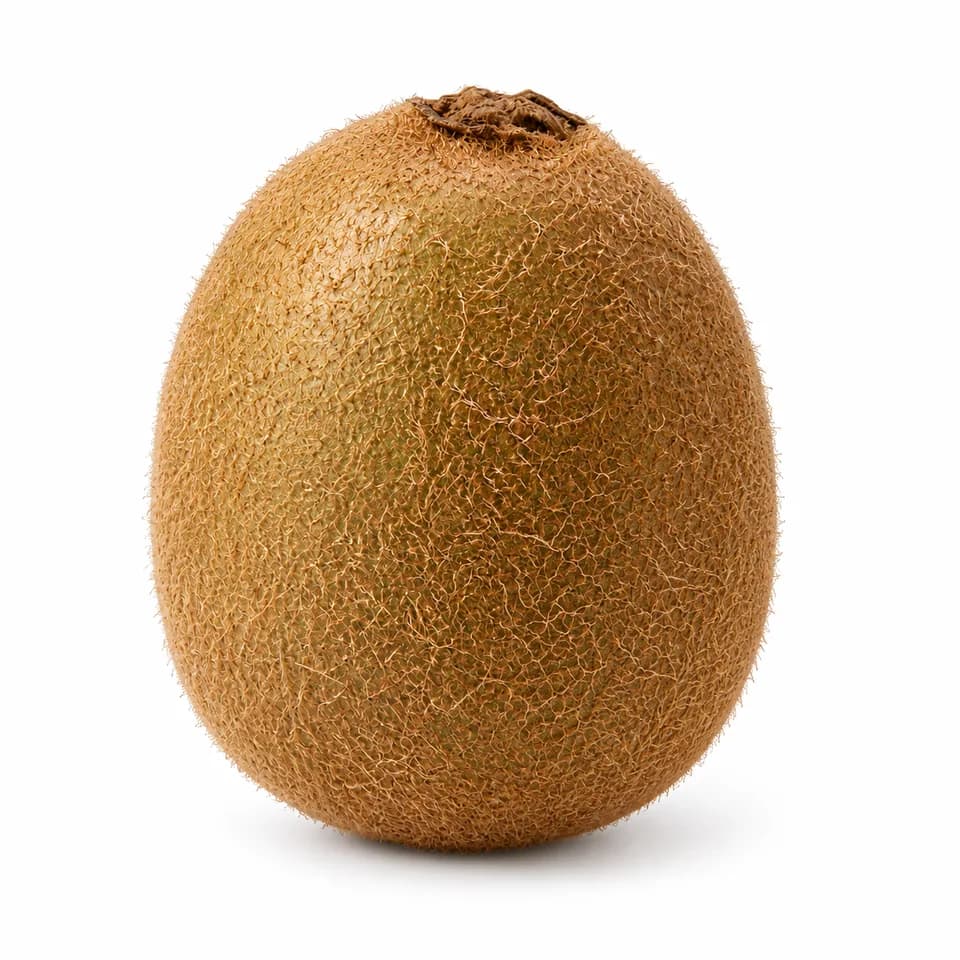
Look for a plump kiwi
A full outline and healthy skin.
Look around the whole fruit for a full, well-filled shape. Plumpness is a condition check; use gentle pressure to decide whether it is ready now.
- Look for
- Full structure and intact skin, without bruises.
- Watch out for
- A shrunken outline or obvious folds. Inspect these more closely.
03
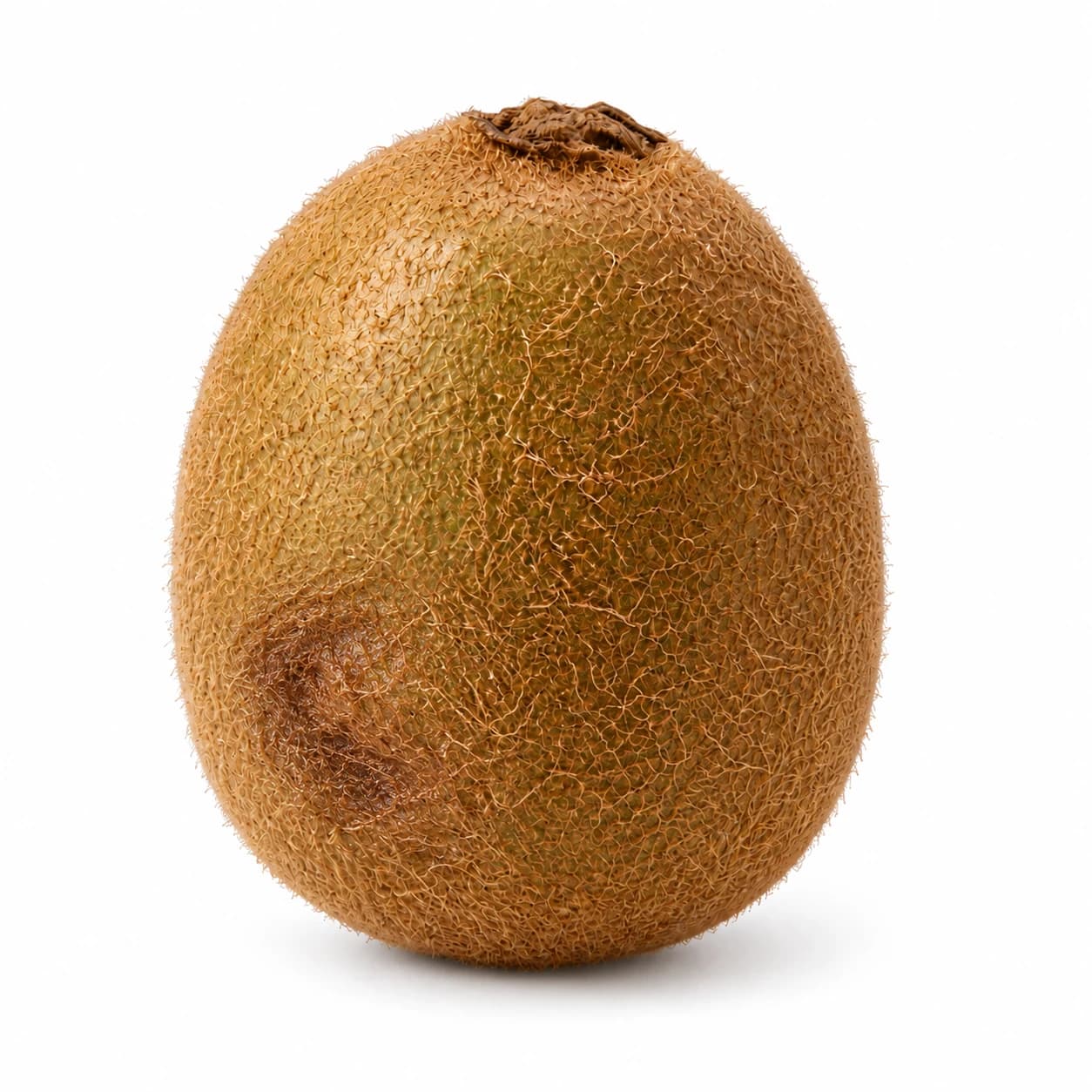
Watch for localized soft spots
Gentle softening across the whole fruit can be normal ripening. One isolated area much softer than the rest may indicate bruising or physical damage. Compare the shape, then confirm the feel.
04
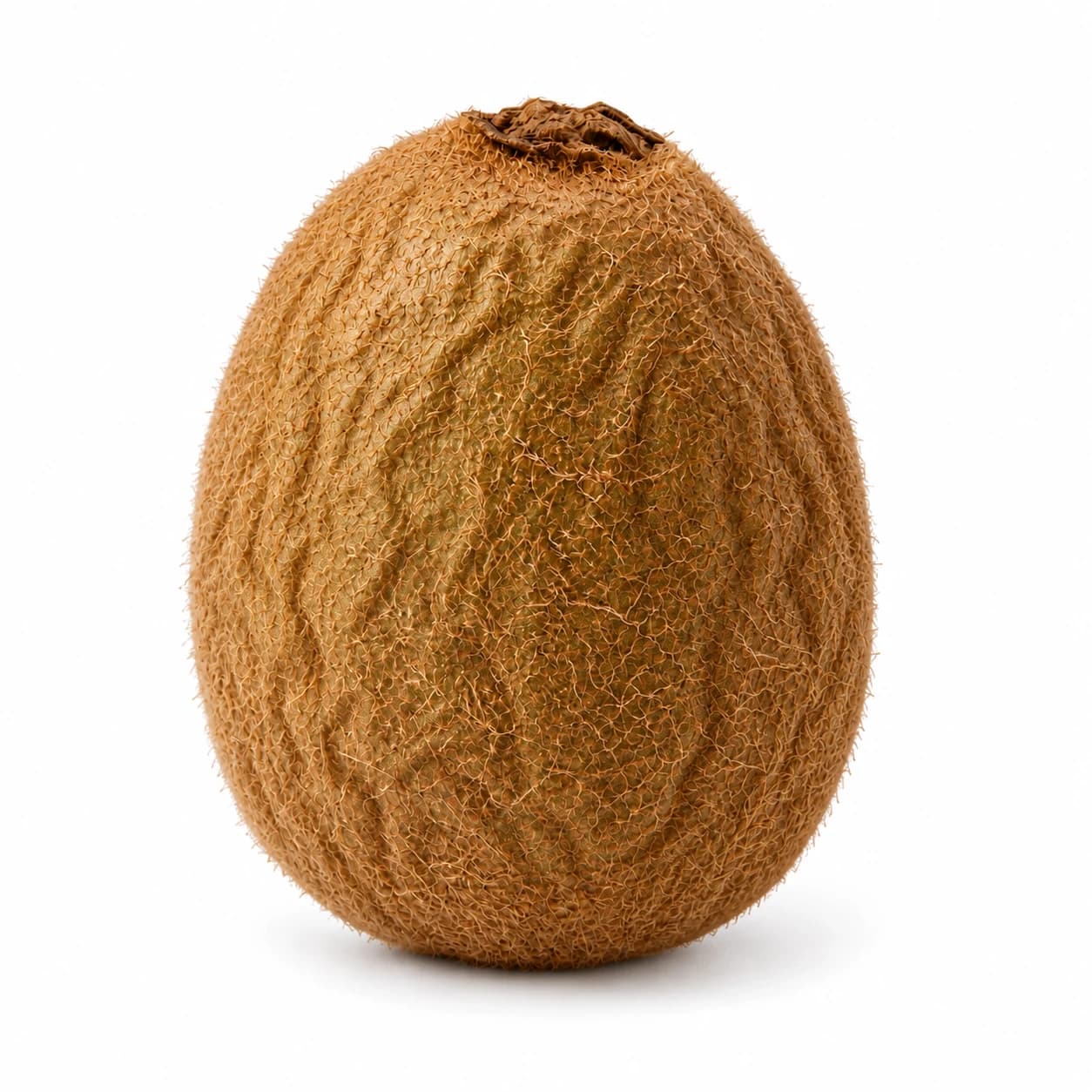
Check for wrinkling / shriveling
Compare fullness, not the amount of fuzz. Noticeable folds and a shrunken outline call for a closer condition check; they are not proof of rot by themselves.
05
Fuzz doesn't tell you if it's ripe.
Green kiwifruit naturally has fuzzy skin. How fuzzy it looks, or how dark the brown skin is, is not the useful household ripeness check.
Feel the firmness. Look for plumpness. Check the condition.
06
Pick for your timing
Eating tonight? Choose a plump kiwi with slight give. Shopping for later? Include firmer fruit and keep it cold until you want it to ripen.
Check the feel each day. A calendar cannot tell you exactly when it's ready.
- Look for
- One ready now + firmer fruit for later.
- Watch out for
- Buying the whole batch very soft when you cannot eat it soon.
07 · CONTROL THE RIPENING
Set the pace.
Firm green kiwi keeps ripening after purchase. Choose where it goes next.
SLOW IT DOWN
Refrigerator
Keep large batches and ripe fruit cold to slow further softening. Separate them from apples and bananas when you do not want faster ripening.
Keep longerRIPEN NORMALLY
Counter
Let a small batch of firm fruit ripen at room temperature, away from direct sunlight. Check for slight give each day.
Eat soonSPEED IT UP
Paper bag + apple / banana
Add an apple or banana to a paper bag with firm kiwi at room temperature. Their ethylene accelerates ripening; check daily.
Ready soonerCold slows ripening; it does not stop it. The time needed depends on starting firmness and storage conditions.
08 · TOO MANY RIPE AT ONCE?
Don't ripen the whole box.
Try 2–3 fruit out. Keep the rest cold.
Sort by firmness
Group into very soft, ready and still firm. Check the condition as you sort.
Eat the softest first
Prioritize very soft fruit only while it is still in good condition.
Refrigerate the ripe ones
Cold slows further softening and gives you more time.
Keep the firmer ones cold
Take out only the amount you want to ripen next.
Freeze the excess
Peel and cut sound ripe kiwi. Tray-freeze, then pack for smoothies or sorbets.
Long-term rescue: freeze prepared, sound ripe fruit. Thawed kiwi is softer.
Test your pick and planDON'T OVERTHINK THESE
MORE FUZZ
Doesn't mean less ripe.
DARKER BROWN SKIN
Isn't the main ripeness test.
THE SOFTEST KIWI
Isn't automatically the best purchase.
LEAVING THE WHOLE BOX OUT
Can make too many ripen together.
TEST YOUR EYE
01 / 05
Which kiwi would you eat today?
Both look plump and healthy. Check firmness on each: the photos cannot tell you how they feel.
CHECK FIRST
Check firmness on both fruits. Compare the touch descriptions, then choose for today.
NUTRITION SNAPSHOT
per 100g
- Calories
- 65 kcal
- Carbohydrate
- 13.8 g
- Fiber
- 2.1 g
- Total sugars
- 8.6 g
- Vitamin C
- 58.8 mg
FAQ
How soft should a ripe kiwi be?
A green kiwi should be plump and give slightly under gentle palm pressure, with structure remaining. Very soft fruit needs a condition check; it is not automatically rotten.
How long does a firm green kiwi take to ripen?
Often several days at room temperature. Starting firmness and room conditions vary, so check daily for slight give instead of relying on a fixed date.
Can I ripen kiwi faster?
Place firm kiwi in a paper bag with an apple or banana at room temperature, away from direct sunlight. Their ethylene helps accelerate ripening. Check daily.
Should ripe kiwi be refrigerated?
Yes, when you need more time. Cold slows further softening but does not stop it. Keep it separate from apples and bananas when you want to slow ripening.
What should I do if too many kiwi ripen at once?
Sort by firmness. Eat the softest sound fruit first, refrigerate ripe and firmer fruit, and take out only the next small batch you want to ripen.
Can I freeze ripe kiwi?
Yes. Peel and slice or chop sound ripe kiwi. Freeze the pieces on a tray, then transfer to a freezer container for smoothies, sorbets or blended drinks. Thawed kiwi will be softer than fresh fruit. Refrigerate any cut fruit you are not freezing in a covered container and use promptly.
SOURCES
PICK YOUR NEXT FRUIT