POMEGRANATE
How to Tell If a Pomegranate Is Ripe
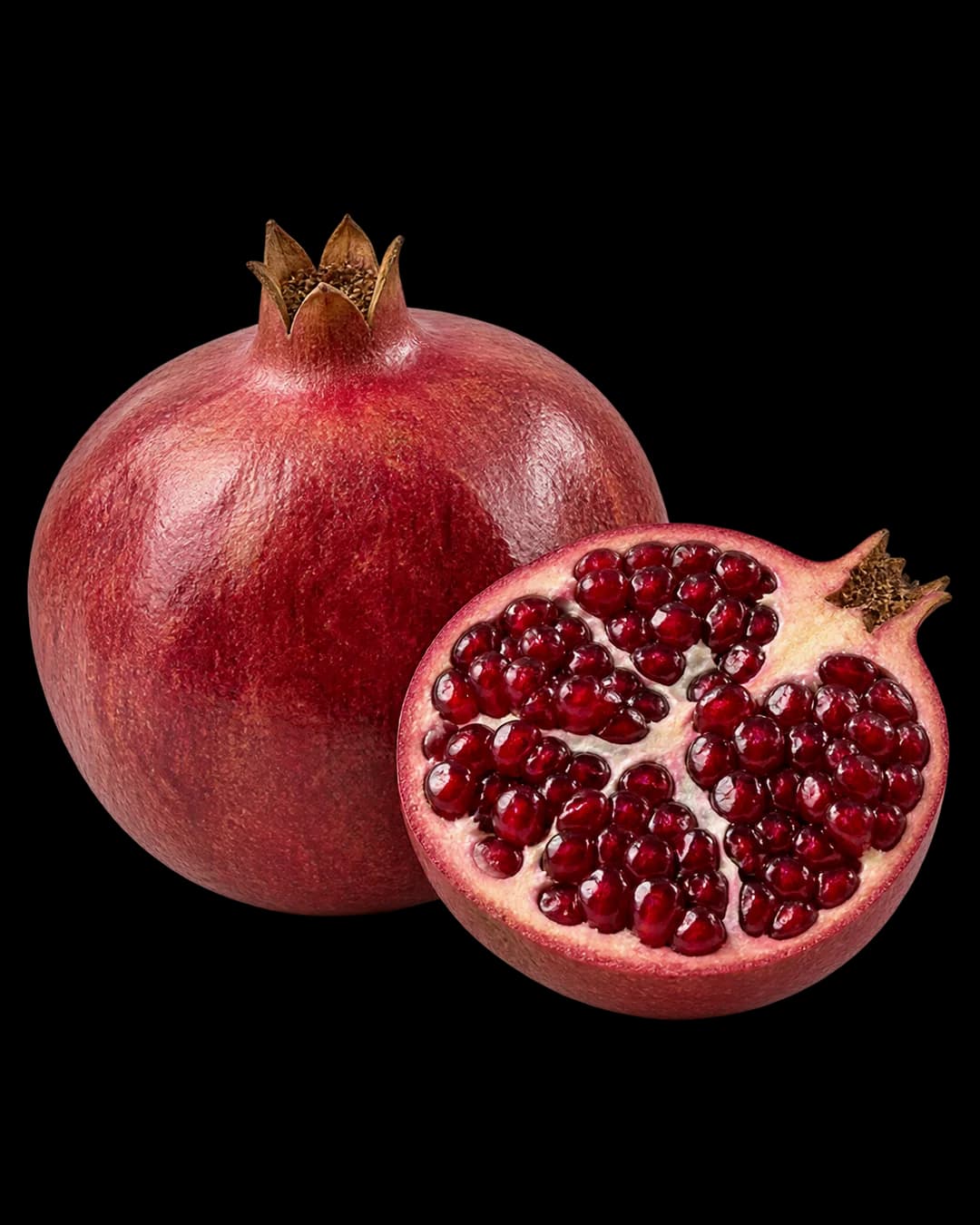
Choose a pomegranate that feels heavy for its size and has intact skin. Slight angles can offer another clue. Pomegranates do not continue ripening after harvest.
QUICK CHECKS
WEIGH
Heavy for its size
SHAPE
Look for slight angles
SKIN
Intact and healthy
AVOID
Cracks, bruises and decay
KNOW
It won't ripen after harvest
HOW TO PICK
01
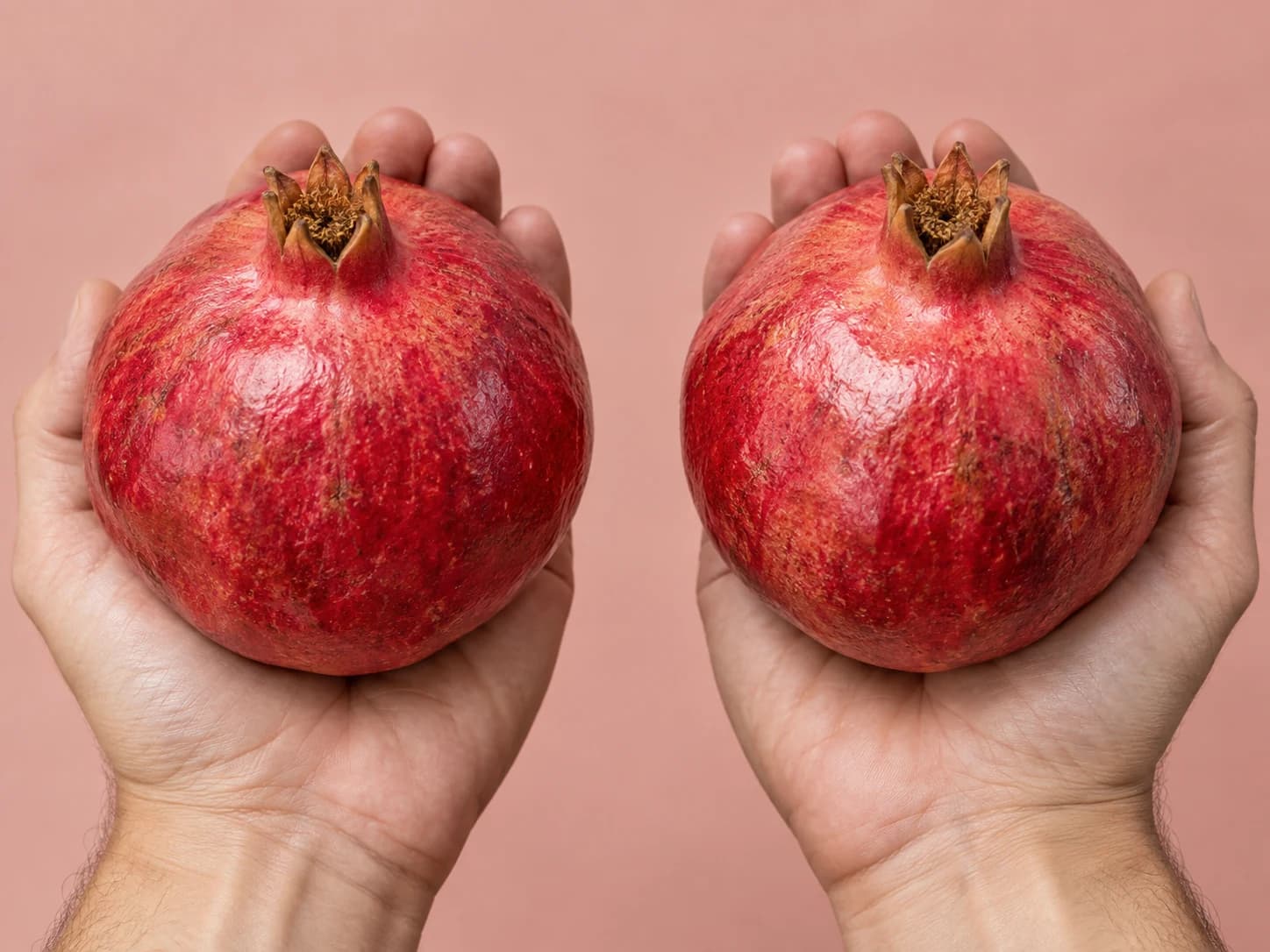
Same size. Compare the weight.
Pick up two before you choose.
Compare fruits of similar size, one in each hand. Prefer the one that feels heavier for its size, then check its rind. This is a practical selection clue, not a guarantee of sweetness.
- Look for
- A substantial, heavy feel for its size.
- Watch out for
- Comparing a large fruit with a small one; size alone tells you little.
02
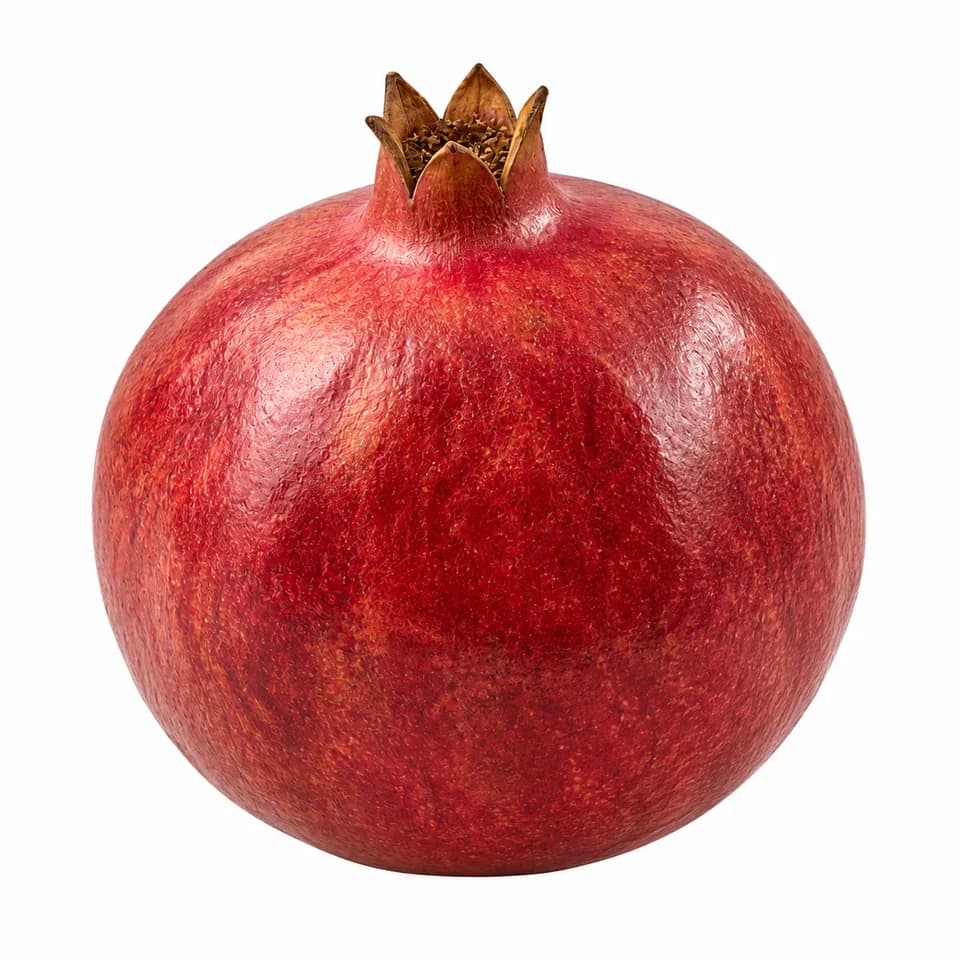
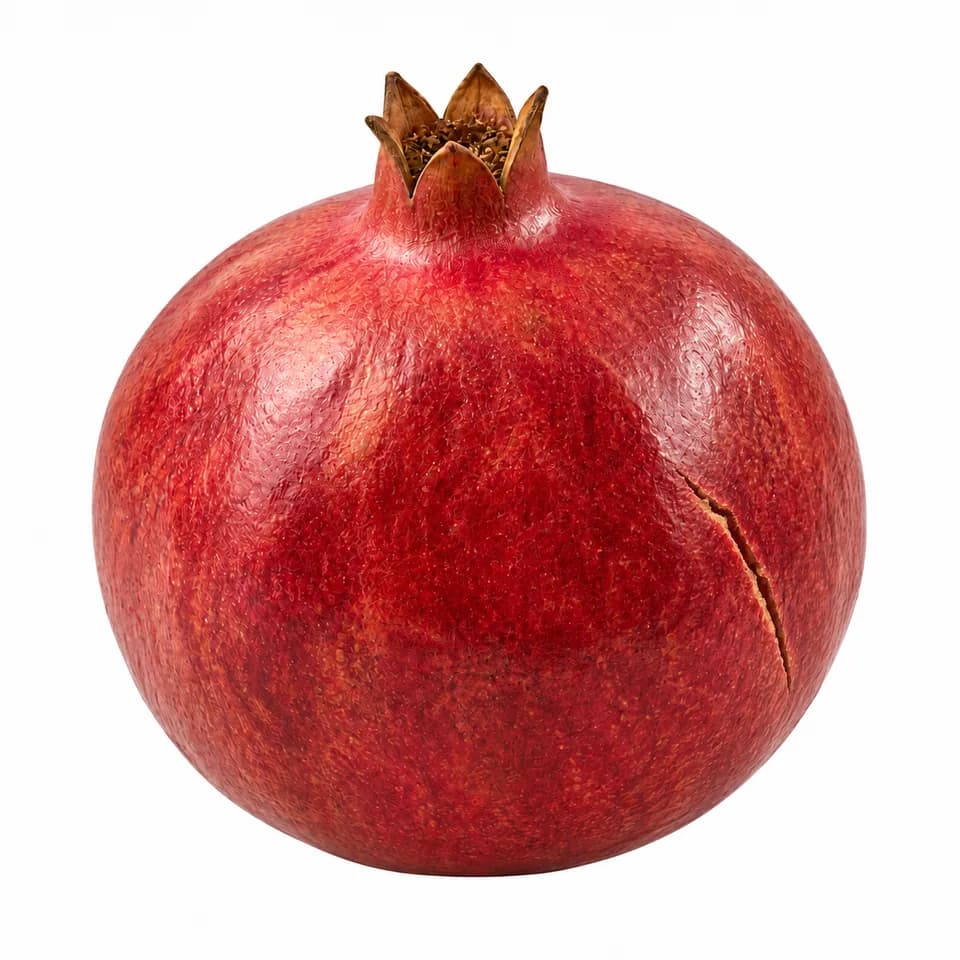
Inspect the rind all the way around
Turn the fruit to check the sides and base. Choose intact skin; avoid buying fruit with open cracks, cuts, major bruises, or decay. A small surface scuff alone is less concerning.
Inspect the surface detail
03
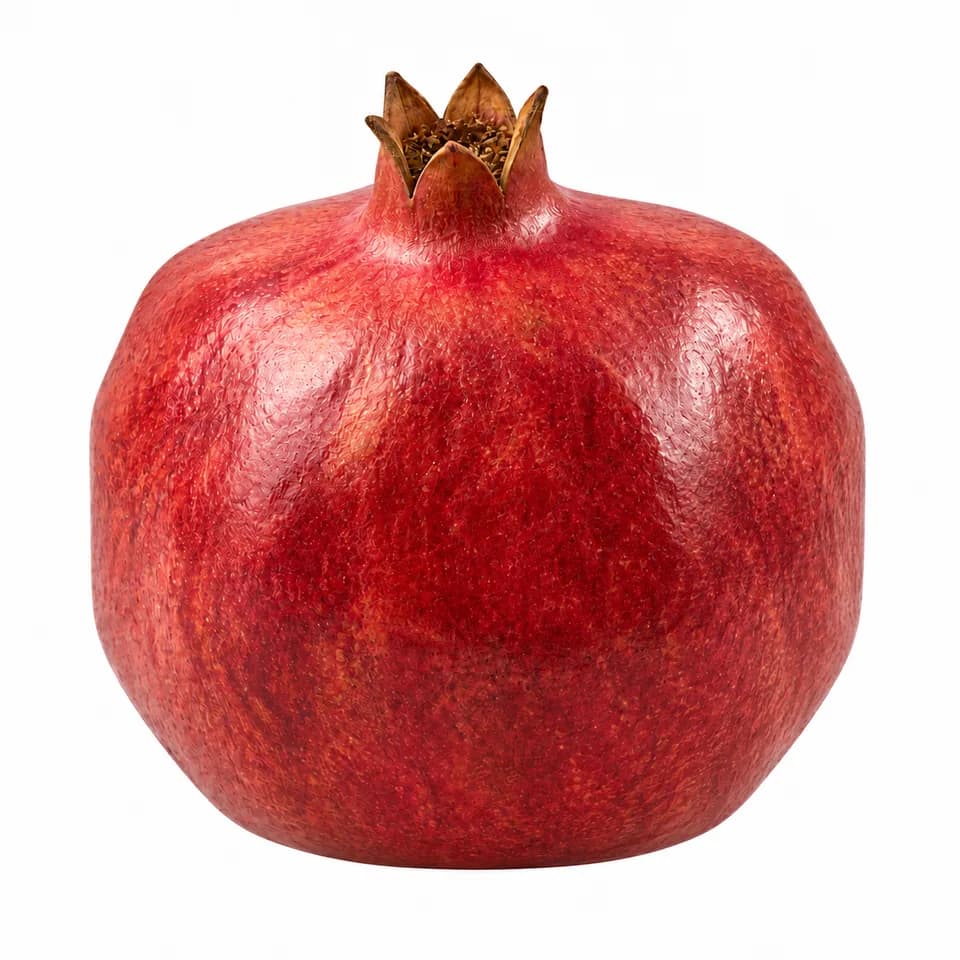
Slight angles are a supporting clue
A mature pomegranate may have gently flattened sides. Shape varies, so a round fruit is not automatically a bad choice. Use this clue alongside weight and rind condition.
Inspect the outline detail
04
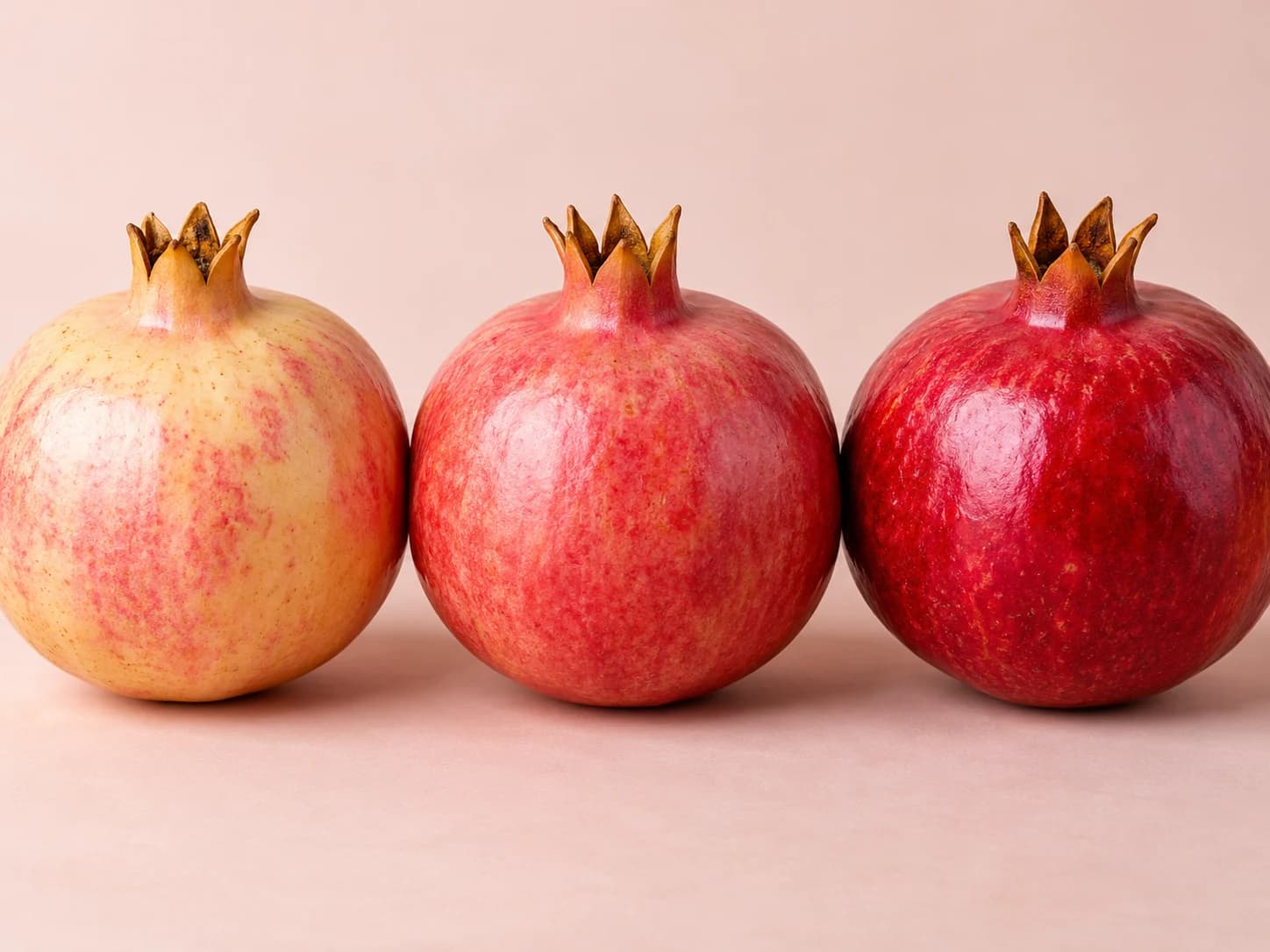
Different colors. Different varieties.
Redder does not always mean better.
Rind color depends on the cultivar. Pale pink and deep red can both be normal. These examples show color variation, not a ripening sequence. Pomegranates will not ripen further on your counter.
- Look for
- Good condition and a heavy feel, whatever its normal rind color.
- Watch out for
- Picking the darkest red fruit without checking it, or waiting for it to ripen at home.
DON'T OVERTHINK THESE
THE DARKEST RED
Isn't automatically the best.
A PERFECTLY ROUND FRUIT
Isn't the maturity goal.
LEAVING IT ON THE COUNTER
Won't make it truly riper.
ONE COSMETIC MARK
Doesn't automatically mean poor internal quality.
TEST YOUR EYE
01 / 05
Which one would you choose?
Both fruits are the same size. Compare their described weight in your hand.
MAKE YOUR PICK
Think you've got it? Pick the pomegranate that best fits each situation.
NUTRITION SNAPSHOT
per 100g
- Calories
- 83 kcal
- Carbohydrate
- 18.7 g
- Fiber
- 4 g
- Potassium
- 236 mg
- Vitamin C
- 10.2 mg
FAQ
How do you choose a ripe pomegranate?
Look for a fruit that feels heavy for its size, has intact skin, and may be somewhat angular rather than perfectly round.
Does a pomegranate ripen after you buy it?
No. Pomegranates do not continue ripening after harvest, so choose one in good condition at the store.
Should a ripe pomegranate feel heavy?
For two similarly sized fruits, the heavier one is generally the better pick.
Are cracks in a pomegranate a bad sign?
Meaningful cracks, cuts, significant bruising, and decay are reasons to choose another fruit.
How should a whole pomegranate be stored?
Keep whole fruit cool and handle it gently to protect the intact rind.
SOURCES
PICK YOUR NEXT FRUIT